You have a good product, a decent website, and a trickle of organic traffic. Then someone tells you to run ads, and suddenly you are staring at five different dashboards, each promising more customers than the last. Google, Facebook, Instagram, LinkedIn, TikTok. Where does a small budget go first?
Most small businesses answer this question badly. They spread $500 across four platforms, get a handful of clicks on each, and conclude that ads do not work. The real problem is not the ads. It is choosing among paid advertising platforms without knowing how each one actually behaves: who sees your ad, what a click costs, and how ready those people are to buy.
This guide compares the five paid advertising platforms most worth considering in 2026: Google Ads, Meta Ads, Microsoft Advertising, LinkedIn Ads, and TikTok Ads. You will see typical costs, honest pros and cons, and a simple way to choose based on your business type.
One caution before you spend anything. Ads amplify what already exists, so a weak page wastes money fast. Fix your destination first with our guide to landing pages that convert visitors into leads, and see where ads fit in the bigger picture in our digital marketing guide for small businesses. If you would rather have experts manage the budget, our paid media service is built for exactly that.
Quick Answer
The best paid advertising platform depends on how your customers buy. If people search for what you sell, start with Google Ads, because those clicks come from high-intent searchers. If your product is visual or impulse-driven, start with Meta Ads on Facebook and Instagram, where clicks are cheaper and targeting is broad. If you sell to businesses and each customer is worth thousands, LinkedIn is expensive but precise. Microsoft Advertising is a cheaper second search channel, and TikTok suits brands aimed at younger audiences. The rule of thumb: pick one platform, learn it, and add a second only when the first is profitable.
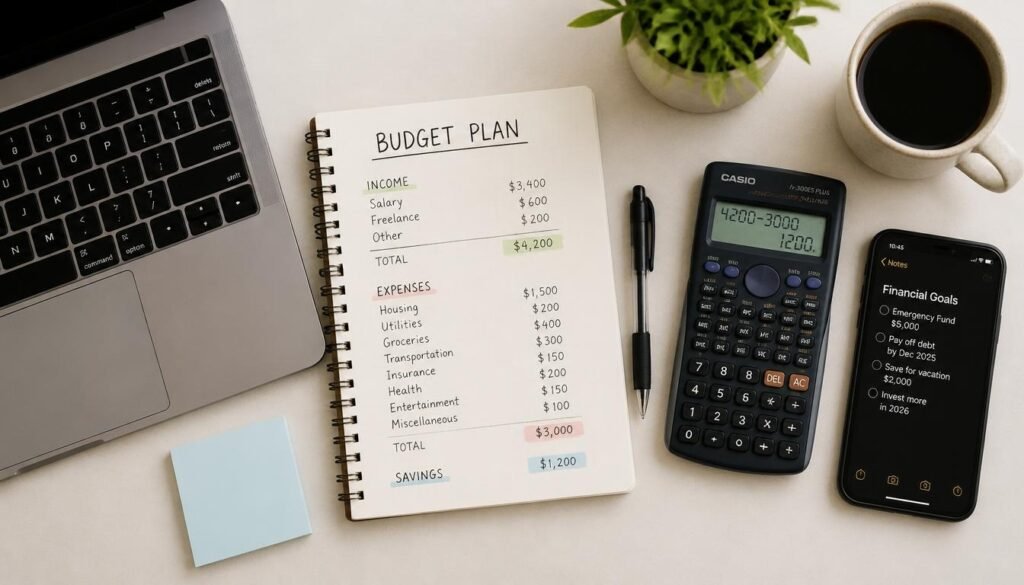
Table of Contents
- What Are Paid Advertising Platforms?
- How to Choose the Right Paid Advertising Platform
- Best Paid Advertising Platforms Available
- Comparison Table
- Best Paid Advertising Platforms for Different Businesses
- How to Launch Your First Campaign
- Common Mistakes
- Expert Tips
- Final Verdict
- Frequently Asked Questions
What Are Paid Advertising Platforms?
Paid advertising platforms are online systems where you pay to put your message in front of a chosen audience. You set a budget, define who should see the ad, write the creative, and the platform runs an auction that decides when your ad appears. Most use one of two billing models: pay per click (you pay when someone clicks) or pay per thousand impressions (you pay for visibility whether or not anyone clicks).
They fall into two broad families. Search platforms, such as Google Ads and Microsoft Advertising, show your ad when someone types a query. The person is already looking, so intent is high. Social platforms, such as Meta, LinkedIn, and TikTok, show your ad to people based on interests, demographics, and behavior. They were not searching, so you are interrupting, and your creative has to earn attention.
Paid ads and organic marketing work best together. Search ads can fill gaps while your on-page SEO matures, and social ads can warm up audiences you also reach through email. Paid traffic buys speed. Organic traffic builds an asset. Smart small businesses use both.
How to Choose the Right Paid Advertising Platform
Three questions narrow the field quickly.
1. Are people already searching for what you sell? If yes, search ads capture demand that exists. If no, as with a new product category or an impulse purchase, social ads create demand by putting the product in front of people.
2. What is a customer worth to you? A $30 product cannot support a $6 click. A $5,000 service can. Work out your average customer value and your acceptable cost per customer before you pick a platform, because that number rules out expensive channels immediately.
3. Who is your buyer, and where do they spend time? Business buyers lean toward LinkedIn and search. Consumers lean toward Meta and TikTok. Local customers lean toward Google, especially with location targeting.
It also helps to read the rules before you start. The Federal Trade Commission publishes plain-language advertising and marketing guidance for businesses covering claims, endorsements, and disclosures. And to measure results properly, set up the free analytics tools covered in our list of 14 Google tools for your online journey.
Best Paid Advertising Platforms Available
Cost figures below are typical benchmarks from 2026 industry studies. Averages vary widely by industry, country, and competition, so treat them as ranges and not promises.
Google Ads
Overview: Google Ads is the default starting point for most businesses, because it puts you in front of people at the moment they search. Text ads appear on search results, while Shopping, YouTube, and Performance Max campaigns extend your reach. Clicks cost more than on social platforms, but the intent behind them is much stronger.
Key Features:
- Search, Shopping, Display, YouTube, and Performance Max campaigns
- Keyword and location targeting
- Call and lead form extensions
- Detailed conversion tracking
- Automated bidding options
Best For: Local services, professional services, and any business whose customers search before they buy.
Pros:
- ✅ Captures high-intent demand
- ✅ Excellent for local and service businesses
- ✅ Measurable, with clear cost per lead
Cons:
- ❌ Competitive keywords can be costly; WordStream’s 2026 benchmarks put the average search click across Google and Microsoft near $5.42, ranging from under $2 to nearly $10 by industry
- ❌ Automated campaign types can burn budget without careful setup
Our Verdict: If people search for what you sell, begin here. Start with a small budget on a few tightly targeted keywords, send traffic to a dedicated page, and judge results by cost per lead, not by clicks. For local businesses, pair it with the advice in our local SEO guide.
Meta Ads (Facebook and Instagram)
Overview: Meta Ads covers Facebook and Instagram through one system. Targeting is broad and visual, and clicks are usually far cheaper than on search. The trade-off is intent: people scrolling their feed were not looking for you, so your creative and offer have to do more work.
Key Features:
- Image, video, carousel, and Reels placements
- Interest, behavior, and lookalike audience targeting
- Retargeting of site visitors and past customers
- Lead forms and catalog ads for e-commerce
- Flexible budgets starting very small
Best For: E-commerce, local consumer businesses, events, and brands with strong visuals.
Pros:
- ✅ Low cost per click; many 2026 benchmarks put the average around $0.60 to $0.80
- ✅ Huge audience reach
- ✅ Strong retargeting tools
Cons:
- ❌ Lower purchase intent than search
- ❌ Creative fatigue means you must refresh ads often
Our Verdict: Meta is the best value for consumer brands that can show their product. Test two or three creatives, then retarget visitors who did not buy. Keep your organic posts going too; our guide to social media management tools and service page can help you stay consistent.
Microsoft Advertising
Overview: Microsoft Advertising runs ads on Bing and its partner network. The audience is smaller than Google’s, but clicks are typically cheaper, and the audience skews older and more professional. Importing existing Google campaigns takes minutes, which makes it a low-effort second channel.
Key Features:
- Search and shopping campaigns
- One-click import from Google Ads
- Audience targeting including LinkedIn profile data
- Typical average click cost around $1.50 in 2026 benchmarks
Best For: B2B, finance, and cost-conscious businesses already running Google Ads.
Pros:
- ✅ Lower average cost per click than Google
- ✅ Easy to import and manage
- ✅ Less competition on many keywords
Cons:
- ❌ Much smaller reach
- ❌ Fewer learning resources and third-party tools
Our Verdict: Do not start here, but do add it once Google Ads is profitable. It often delivers leads at a lower cost with little extra work, as long as your tracking is already set up.
LinkedIn Ads
Overview: LinkedIn lets you target people by job title, seniority, industry, and company size. That precision is unmatched for business-to-business marketing. It is also the most expensive major platform, with benchmark clicks commonly running roughly $6 to $11 and sometimes higher.
Key Features:
- Sponsored content, message ads, and lead gen forms
- Targeting by title, company, and industry
- Account-based marketing options
- Strong analytics for B2B
Best For: B2B companies, consultants, and agencies selling high-value services.
Pros:
- ✅ Precise professional targeting
- ✅ Lead gen forms reduce friction
- ✅ Reaches decision-makers directly
Cons:
- ❌ High cost per click
- ❌ Needs a high customer value to make sense
Our Verdict: Use LinkedIn only if one customer is worth thousands of dollars. Otherwise, build authority organically first; our personal branding service shows how founders do it without a large ad spend.
TikTok Ads
Overview: TikTok offers the cheapest clicks of the five, with many 2026 benchmarks ranging from about $0.30 to $1.50. The audience is younger, and video is the entire game. If you can produce native, authentic short video, TikTok can deliver cheap attention. If you cannot, it is a poor fit.
Key Features:
- In-feed video ads and Spark Ads that boost organic posts
- Interest and behavior targeting
- Creative tools and templates
- Low entry costs
Best For: Consumer brands targeting under-35 audiences, with strong video content.
Pros:
- ✅ Low click costs
- ✅ High reach for creative, entertaining content
- ✅ Spark Ads let you boost proven organic videos
Cons:
- ❌ Requires constant fresh video
- ❌ Weaker for complex or high-consideration purchases
Our Verdict: TikTok is a creative bet, not a safe default. Start only if you already make short video regularly. Our content creation service can cover the production side.
Comparison Table
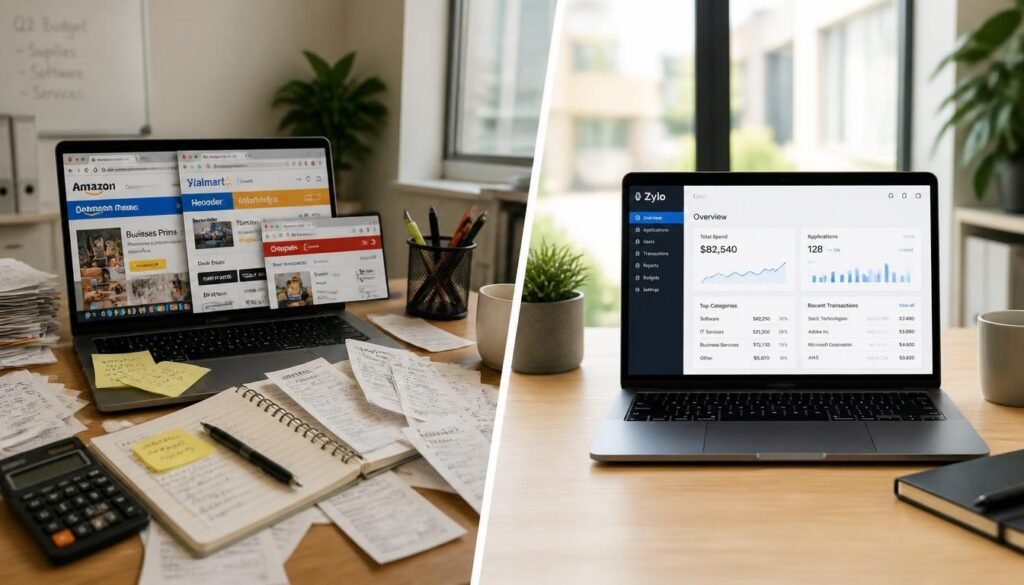
| Platform | Best For | Typical Cost Per Click | Audience Intent | Difficulty |
|---|---|---|---|---|
| Google Ads | Local and service businesses | About $2 to $10 by industry | High (searching) | Medium |
| Meta Ads | E-commerce, consumer brands | About $0.60 to $0.80 | Low to medium | Easy to medium |
| Microsoft Advertising | Second search channel, B2B | About $1.50 | High (searching) | Easy |
| LinkedIn Ads | B2B, high-value services | About $6 to $11+ | Medium (professional) | Medium |
| TikTok Ads | Under-35 consumer brands | About $0.30 to $1.50 | Low | Medium |
Figures are benchmark ranges from 2026 industry studies and vary by industry and region. Always test with your own data.
Best Paid Advertising Platforms for Different Businesses
Local Service Businesses
Plumbers, lawyers, dentists, and contractors win on Google Ads. Customers search with urgency, and a phone call or form is the goal. Use location targeting, call extensions, and a simple page with one clear action. Back it up with the organic work in our local SEO guide so you are visible whether people click the ad or scroll past it.
E-Commerce and Product Brands
Online stores usually combine Google Shopping for people ready to buy with Meta Ads for discovery and retargeting. Your store must load quickly and convert well before you send paid traffic, so check your platform and hosting using our guides to the best website builders for small business and best web hosting for small business.
B2B Companies and Consultants
B2B buyers research slowly and rarely buy on first contact. Google Ads captures active searchers, LinkedIn reaches decision-makers, and both should lead into a lead magnet or consultation page, not a hard sell. Build nurture emails behind that page so leads do not go cold, and keep the whole system organized with a content marketing strategy that generates leads.
How to Launch Your First Campaign
Follow these five steps to start small and learn fast.
Step 1: Set a Goal and a Break-Even Number
Decide what a conversion means: a call, a form, a purchase. Then calculate the most you can pay for one. If a customer is worth $200 in profit and one in four leads becomes a customer, you can afford about $50 per lead before you lose money.
Step 2: Prepare Your Destination
Send ads to a page built for one action, not your homepage. It should load fast, match the ad’s promise, and make the next step obvious. Install conversion tracking before spending a cent, or you will never know what worked.
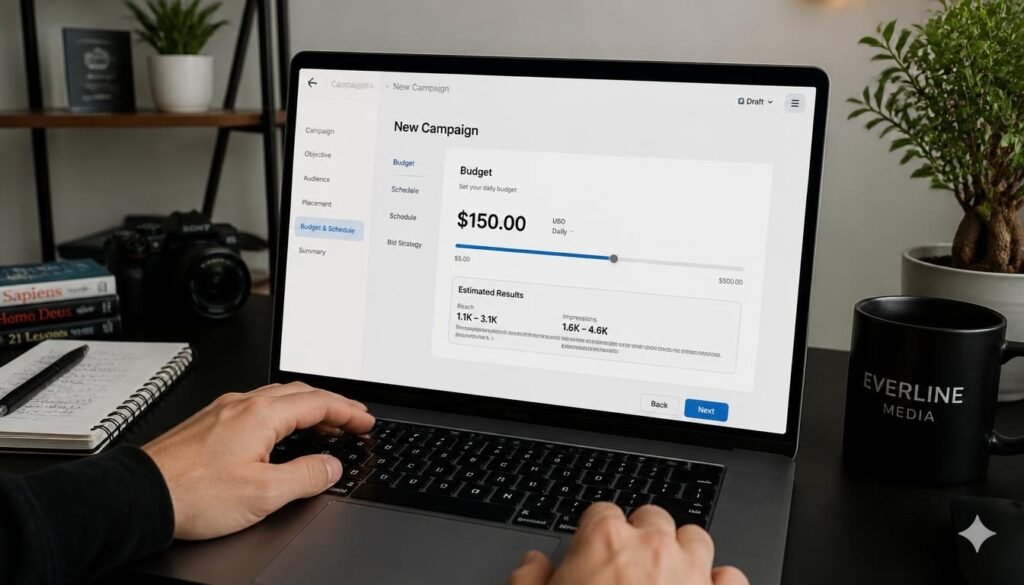
Step 3: Choose One Platform and Set a Test Budget
Pick a single platform from the list above. Set a modest daily budget you can afford to lose while you learn. A few weeks of controlled testing beats a large launch you cannot interpret.
Step 4: Write and Launch Two or Three Variations
Test different headlines, images, or offers against each other. Change one element at a time so you know what caused any difference. Keep claims honest and supportable, in line with the FTC guidance mentioned above.
Step 5: Review Weekly and Optimize
Check cost per lead or sale, not just clicks. Pause ads that overspend, put more budget behind winners, and refresh creative before it gets stale. Once one platform is profitable, you can consider adding a second.
Common Mistakes
Spreading a small budget across too many platforms. Four platforms at $100 each teach you nothing. One platform at $400 gives you enough data to learn. Prioritize using the framework in our digital marketing guide for small businesses.
Sending traffic to a weak page. Great ads cannot rescue a slow, confusing destination. Fix the page first using the principles in our guide to landing pages that convert.
Judging results too early or by the wrong metric. Clicks and likes feel good but pay no bills. Wait for enough data, then judge by cost per lead and revenue. For more of the traps that quietly drain budgets, read our list of 25 digital marketing mistakes costing you customers.
Expert Tips
Retarget everyone who visits. Most visitors do not convert the first time. A small retargeting budget that reminds them often produces your cheapest conversions, because the audience already knows you.
Let search ads inform your SEO. The keywords that convert in Google Ads show you which terms deserve organic content. This also matters as search changes shape; we explain the shift in why SEO is evolving into SEO plus AEO.
Use AI for drafts, humans for decisions. AI can generate dozens of headline options in minutes, but you still decide what is accurate and on brand. If you want a head start, our Claude prompts for a 12-month SEO strategy show a repeatable way to prompt well, and the 4 AI skills to learn before 2028 explain why this matters.

Final Verdict
There is no universally best platform, only the best one for how your customers buy.
- Best overall for small businesses: Google Ads, because it captures people already looking to buy.
- Best budget option for consumer brands: Meta Ads, for cheap clicks and strong retargeting.
- Best second channel: Microsoft Advertising, for lower-cost search once Google works.
- Best for B2B precision: LinkedIn Ads, if customer value justifies the cost.
- Best for creative video brands: TikTok Ads, for cheap attention if you can produce content.
Start with one platform, a small budget, and a tight goal. Then fold your results into the rest of your marketing: strengthen your email list, keep your content strategy moving, and if you would like a team to run the campaigns, explore our paid media service.
Frequently Asked Questions
What are the best paid advertising platforms for small business? Google Ads and Meta Ads are the two strongest starting points. Google suits businesses whose customers search, and Meta suits visual, consumer-focused brands. Microsoft Advertising, LinkedIn, and TikTok are useful in specific situations.
Do I need paid ads, or is SEO enough? SEO builds long-term traffic but takes months. Ads deliver traffic immediately and let you test offers fast. Many businesses use ads to learn what converts while their organic content grows.
How much should a small business spend on ads? Start with an amount you can afford to lose while learning, then scale what works. There is no magic number. The right budget is one large enough to collect meaningful data, which usually means a few hundred dollars a month at minimum for the first test.
Google Ads vs Meta Ads: which is better? Google usually costs more per click but reaches people already searching, so it often wins for leads and services. Meta costs less per click and shines for visual products and retargeting. Your customer behavior decides.
How long until ads start working? Expect a learning period of a few weeks. Platforms need data to optimize, and you need data to improve your creative and targeting. Judge performance after enough conversions, not after a few days.
Why are my clicks high but sales low? The usual causes are a weak landing page, mismatched messaging, or poor targeting. Review whether your ad promise matches the page, and check that tracking is recording conversions correctly.
Is LinkedIn Ads worth the high cost? Only when a single customer is worth several thousand dollars. For lower-value offers, the cost per click makes it hard to break even.
Can I run ads without a website? Yes, using lead forms or messaging, but a proper site builds trust and improves conversion. If you do not have one yet, compare options in our guide to the best website builders for small business.
Are there legal rules for online ads? Yes. Claims must be truthful and supportable, and endorsements must be disclosed. Review the FTC guidance and each platform’s ad policies before launching.
Should I hire an agency or run ads myself? Begin yourself if the budget is small and you have time to learn. Hire help when spend grows or when you want faster optimization and reporting.
Author: DigiM_Admin Last Updated: November 2026